Solar plants efficacy management
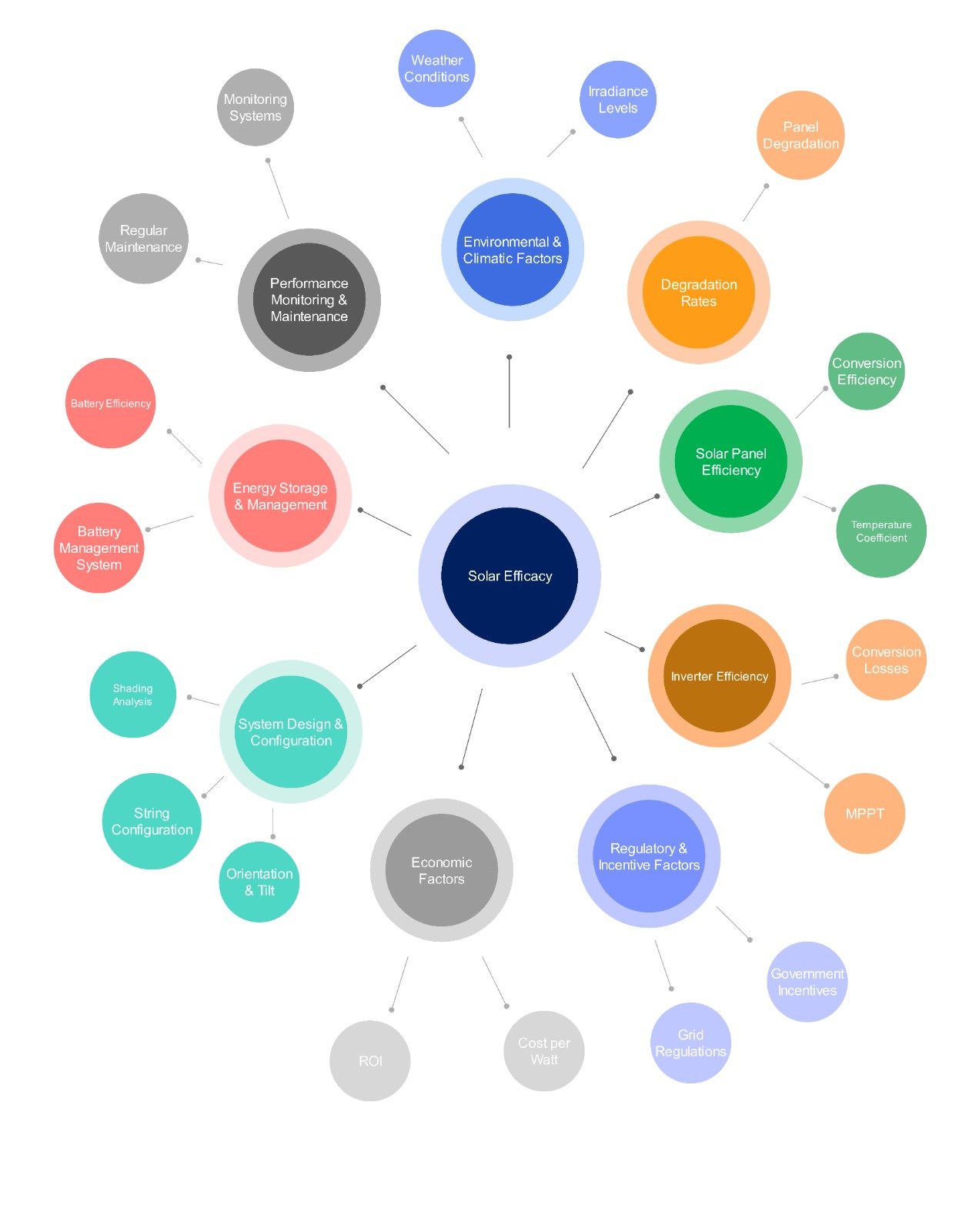
Managing the efficacy of solar plants involves several key aspects to ensure optimal performance and efficiency:
Regular Maintenance: Scheduled maintenance is crucial for ensuring the smooth operation of solar plants. This includes cleaning solar panels to remove dirt, dust, and debris that can reduce efficiency. Additionally, checking for any damage or malfunctions in panels, inverters, and other components is essential.
Monitoring Systems: Implementing monitoring systems that track the performance of the solar plant in real-time can help identify issues early on. These systems can measure parameters such as solar irradiance, panel temperature, and energy output, allowing operators to detect any deviations from expected performance.
Data Analysis: Analyzing data collected from monitoring systems can provide insights into the performance of the solar plant and identify areas for improvement. This may involve identifying trends, comparing actual performance to expected performance, and diagnosing the root causes of any inefficiencies.
Optimization Strategies: Based on data analysis, optimization strategies can be implemented to improve the efficacy of the solar plant. This may include adjusting the tilt angle or orientation of solar panels, optimizing the placement of panels to minimize shading, or implementing advanced tracking systems to maximize exposure to sunlight.
Predictive Maintenance: Utilizing predictive maintenance techniques, such as predictive analytics and condition monitoring, can help anticipate and prevent equipment failures before they occur. By analyzing historical data and identifying patterns indicative of potential issues, maintenance activities can be scheduled proactively, minimizing downtime and maximizing productivity.
Training and Education: Providing training to personnel responsible for operating and maintaining the solar plant is essential for ensuring that best practices are followed. This includes training on safety procedures, maintenance techniques, and the use of monitoring and diagnostic tools.
Regulatory Compliance: Ensuring compliance with relevant regulations and standards is essential for the safe and efficient operation of solar plants. This includes adhering to safety guidelines, environmental regulations, and grid interconnection requirements.
Continuous Improvement: Solar plant efficacy management should be an ongoing process, with regular reviews and evaluations to identify opportunities for improvement. This may involve implementing new technologies, adopting best practices from industry leaders, or incorporating feedback from stakeholders.
By effectively managing the efficacy of solar plants through these strategies, operators can maximize energy production, optimize resource utilization, and ensure the long-term sustainability of their operations.